Applications
Carboxymethyl Cellulose CMC is used in several applications across different industries, such as:
- Beverages
- Dairy & Frozen Desserts
- Bakery
- Sauces & Dressings
- Confectionery
- Instant Powder Mixes
- Pharmaceuticals
- Cosmetics & Personal Care
- Detergents & Industrial Formulations
Used Industries
Food & Beverage
CMC improves viscosity, suspension, mouthfeel, and stability in beverages, syrups, sauces, dressings, and processed food systems.
Dairy & Frozen Desserts
It helps improve texture, reduce ice crystal growth, support creaminess, and enhance freeze-thaw stability in ice cream, dairy drinks, and frozen dessert formulations.
Bakery & Fillings
CMC supports moisture retention, texture control, and structure in bakery fillings, creams, dough systems, and ready-to-use mixes.
Confectionery
It helps control viscosity, improve chewiness, stabilize fillings, and support uniform texture in selected confectionery applications.
Pharmaceuticals
CMC is used as a binder, thickener, suspending agent, and viscosity modifier in tablets, syrups, gels, and suspension systems.
Cosmetics & Personal Care
It helps build viscosity and improve stability in creams, lotions, gels, toothpaste, and personal care formulations.
How Carboxymethyl Cellulose CMC Is Produced
Carboxymethyl Cellulose is produced from purified cellulose through an alkalization and carboxymethylation process. The cellulose structure is modified to improve water solubility and functional performance. The material is then purified, dried, milled, and standardized according to the required grade and application.
Suggested Dosage
Suggested dosage depends on the product grade, viscosity level, formulation type, processing conditions, and target texture.
Typical use level:
- Beverages: 0.05% – 0.30%
- Dairy & frozen desserts: 0.10% – 0.50%
- Sauces, dressings, and fillings: 0.20% – 1.00%
- Bakery and dry mixes: 0.20% – 1.00%
- Pharmaceutical and personal care systems: Based on formulation requirements
Final dosage should be confirmed through formulation trials and the product TDS.
Technical Insight
CMC should be dispersed properly to avoid lump formation. For best results, it can be pre-blended with dry ingredients before hydration or added under strong agitation. Hydration time, water temperature, pH, salt concentration, and shear conditions can affect final viscosity and stability.
Selecting the right CMC grade is important. Low, medium, and high-viscosity grades perform differently depending on the target application, desired texture, and processing system.
Product Details
| Item |
Description |
| Product Name |
Carboxymethyl Cellulose |
| Common Names |
CMC, Cellulose Gum, Sodium CMC |
| INS / E Number |
INS 466 / E466 |
| CAS Number |
9004-32-4 |
| Form |
Powder |
| Appearance |
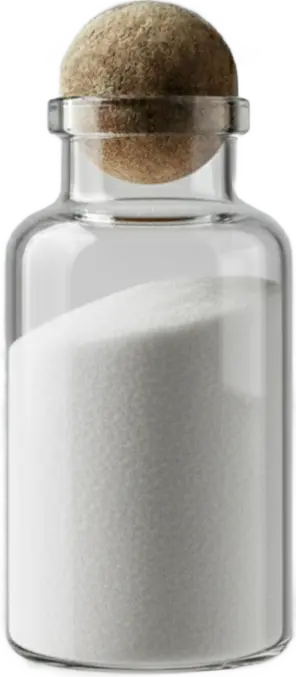
White to off-white powder |
| Solubility |
Soluble in water |
| Main Function |
Thickener, stabilizer, water-binding agent |
| Application Areas |
Food, beverage, dairy, bakery, confectionery, pharma, cosmetics |
| Storage |
Store in a cool, dry place away from moisture and direct sunlight |
| Shelf Life |
Based on supplier specification and storage conditions |