

Every procurement manager knows the feeling: You see the price of cocoa or vegetable oils dip slightly, and you wonder; should we buy now, or stick to the contract?
In the volatile world of food and pharmaceutical manufacturing, procurement isn’t just about buying ingredients; it’s about managing risk. The difference between a profitable quarter and a margin squeeze often comes down to one decision: Spot Market buying or Contract Sourcing.
At Palmart, we’ve seen businesses thrive using both methods. The truth is, there is no “best” method only the right method for your specific production needs at this specific moment.
In this guide, we break down the pros, cons, and strategic triggers for each approach to help you optimize your supply chain.
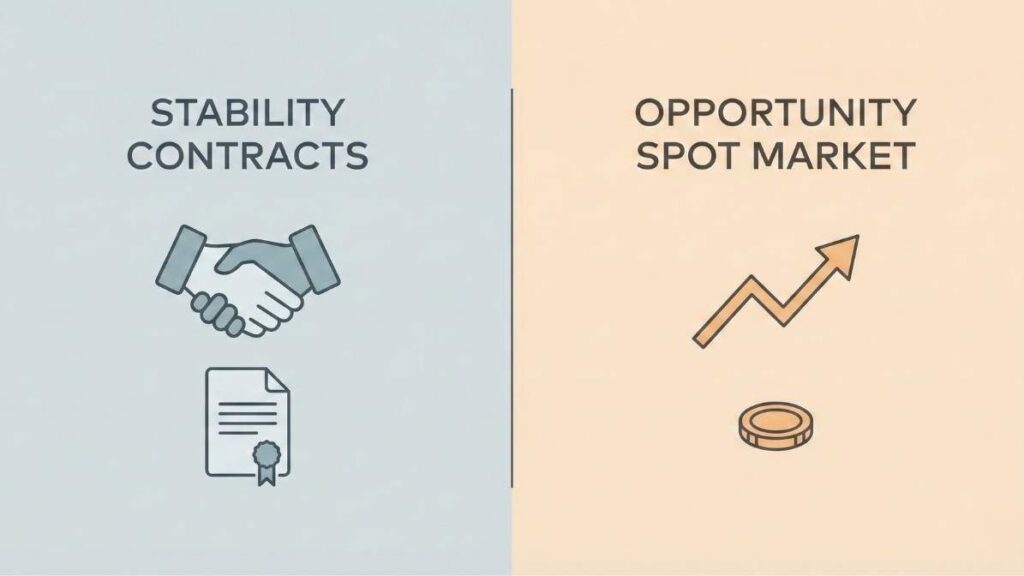
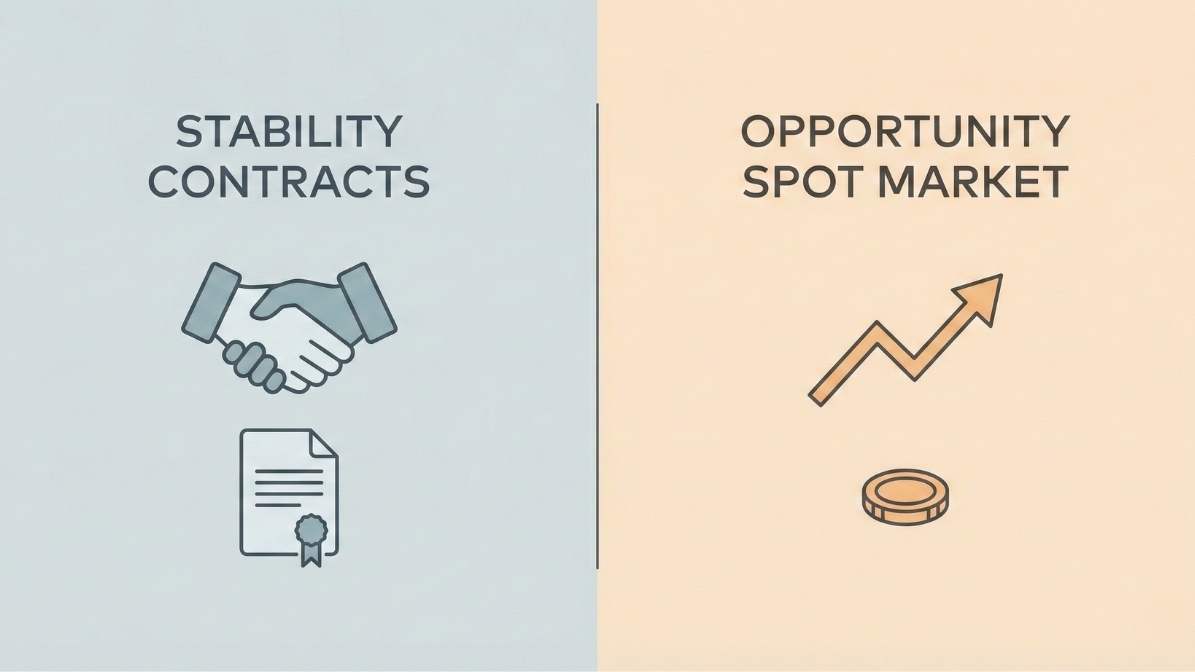
1. Contract Sourcing: The Shield of Stability
Contract sourcing involves agreeing to purchase a set volume of raw materials over a fixed period (e.g., 6 months or a year) at a pre-negotiated price.
When to use it:
-
Core Ingredients: For materials that make up 80% of your final product (like flour for a bakery or specific actives for a pharma line), you cannot afford a stockout.
-
Predictable Demand: When you have fixed contracts with your own customers (e.g., supermarkets), you need fixed costs to protect your margins.
The Pros:
-
Price Certainty: You are immune to sudden market spikes caused by poor harvests or geopolitical tension.
-
Priority Supply: When shortages hit global markets, suppliers (like Palmart) prioritize their contracted partners first.
-
Consistent Quality: You receive the exact same specification batch after batch, which is critical for R&D consistency.
The Cons:
-
If market prices crash, you are still paying the higher contracted rate.
-
It requires accurate forecasting; over-committing can tie up your cash flow in warehousing.
Pro Tip: If you are sourcing complex ingredients where “certification” is key (like organic or specific chemical grades), contracts are almost always safer than the spot market.
2. The Spot Market: The Sword of Opportunity
Spot buying is purchasing goods for immediate delivery at current market prices. This is the “here and now” of procurement.
When to use it:
-
Commodity Ingredients: For generic items where brands matter less than specs (e.g., standard sugar or bulk oils).
-
Gap Filling: When production unexpectedly spikes, and you need extra tonnage fast.
-
Market Lows: When there is a known surplus in the market and prices are historically low.
The Pros:
-
Flexibility: No long-term commitment. You buy what you need, when you need it.
-
Cost Savings: If you have cash on hand and the market is soft, you can snap up ingredients at bargain rates.
The Cons:
-
High Risk: If a supply chain disruption occurs (like a port strike or a drought), spot prices can double overnight.
-
Availability: You are at the back of the line. If supply is tight, you might not get the product at all.

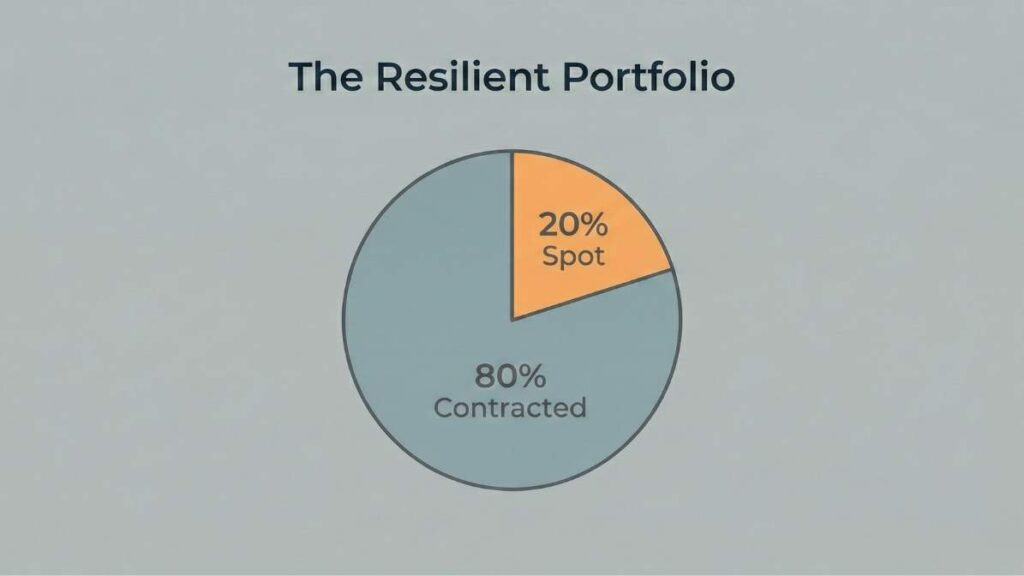
3. The Hybrid Strategy: The 80/20 Rule
The most sophisticated manufacturers rarely choose just one side. They use a Hybrid Approach.
At Palmart, we often advise clients to contract roughly 70-80% of their forecasted needs to ensure the factory never stops running. This “base load” covers your overheads and key deliverables.
Then, leave 20-30% open for the spot market. This allows you to:
-
Take advantage of sudden price drops to average down your costs.
-
Adapt to new product trends without being stuck with old inventory.
-
Test new suppliers without a massive commitment.
How Palmart Supports Both Strategies
Whether you are looking to lock in a price for 2026 or need a truckload of material next week, the partner you choose matters more than the strategy.
-
For Contract Buyers: We use our 40+ years of legacy knowledge to advise you on when to lock in. We don’t just sell; we analyze harvest reports and currency trends to help you sign at the right time.
-
For Spot Buyers: Our strategic location in Turkey allows us to bridge the gap between Europe and Asia, offering faster lead times than Far East suppliers for those urgent “gap-fill” orders.
There is no badge of honor for gambling with your production line. If your priority is sleeping well at night knowing your factory has stock, contracting is your path. If your priority is aggressive margin optimization and you have a high risk tolerance, the spot market is your tool.
But the best strategy? Balance!